Shockwave therapy
For tendon pain that flares every time training ramps up and won't settle on its own.
 Placeholder photo from the current site
What it is
Acoustic pressure waves sent into a tendon or soft tissue injury that's stopped healing, to kick the repair process back into gear. Plantar fasciitis, Achilles and patellar tendon pain, and tennis or golfer's elbow are the usual suspects. We pair it with a loading programme so the tendon gets stronger, not just quieter.
Helps with
- Plantar fasciitis
- Achilles tendinopathy
- Patellar tendon pain
- Tennis and golfer's elbow
- Rotator cuff tendinopathy
- Hamstring tendinopathy
When an injury just won't heal
Tendon pain that hangs around for months. Pain that ramps up as training gets harder. An injury that feels fine for a week, then flares again. Often the tendon simply isn't getting the right signal to repair itself.
How shockwave works at Insight
Shockwave therapy sends high-energy acoustic waves into the injured tissue to boost blood flow and restart the healing response. It's used for long-standing tendon and soft tissue problems that haven't settled with other treatment.
We never use it on its own. It's always paired with rehab and load management, because a tendon only stays better if it gets stronger.
What to expect
No guesswork. You'll know what's happening at every step.
Check it's the right fit
We confirm shockwave suits your injury and where it fits in your recovery plan.
Treat the tendon
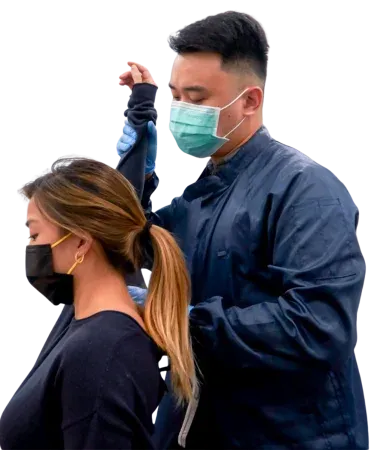
Acoustic pressure waves go straight to the sore area. It's quick, and we keep any discomfort at a level you can handle.
Load it properly
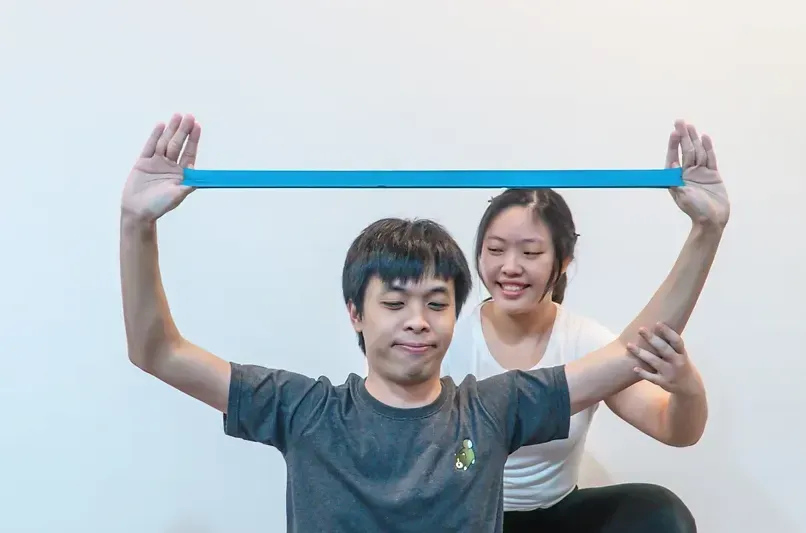
Exercises and training changes so the tendon gets stronger, not just calmer.
A recent example
A recreational runner in Petaling Jaya had plantar fasciitis that capped their weekly mileage. Shockwave therapy combined with progressive loading reduced the pain, and running went back to normal without flare-ups.
Details changed to protect patient privacy.
Questions about shockwave therapy
Is shockwave therapy safe?
Yes, when it's used on the right conditions and applied properly. It's widely used in sports medicine.
Does it hurt?
You'll feel some discomfort during treatment, but it's brief and kept at a level you can handle.
How many sessions will I need?
Most people need a short series. We'll explain the plan clearly after your assessment.
Can I keep training?
Often yes, with some changes. Managing your training load is a big part of recovery.
Ready to train without bracing for it?
Book a first visit at either clinic. No referral needed, and you don't have to know which service you need.